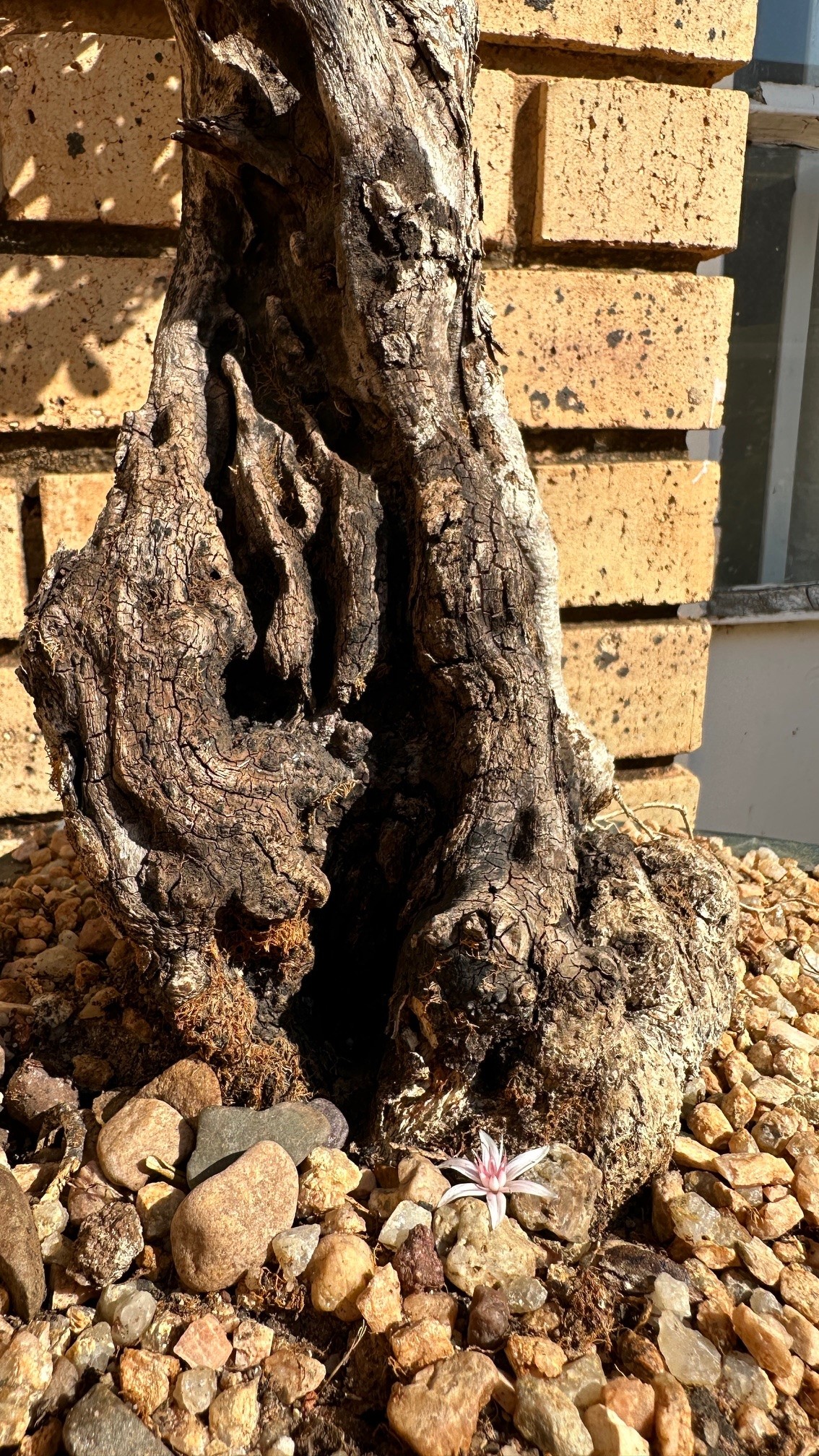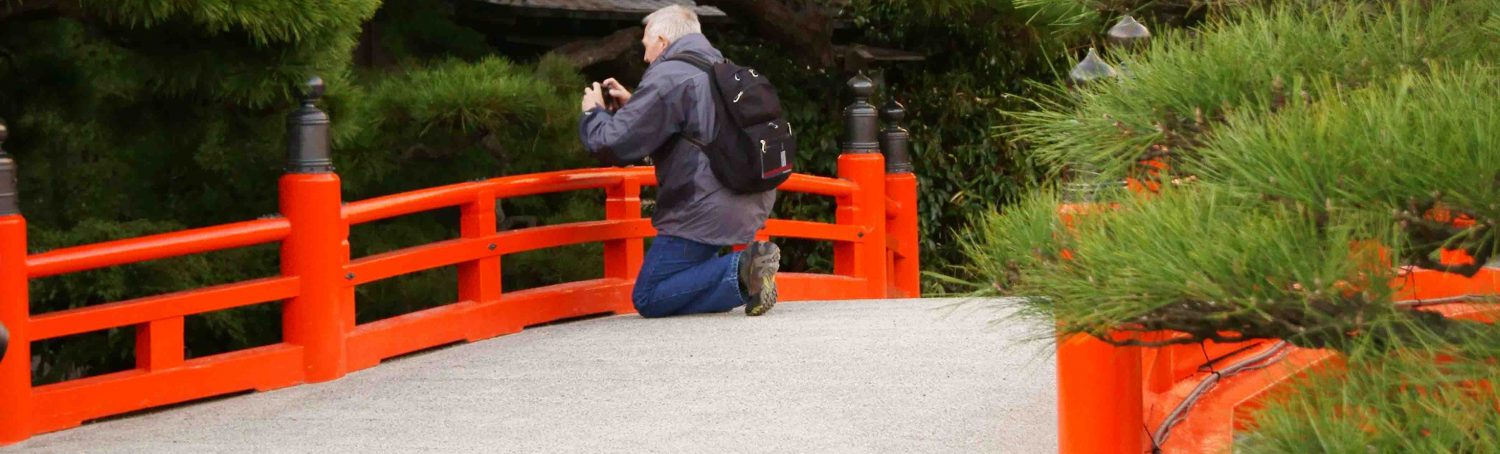
In the heart of forests, with rays filtering through the tree canopies and the overwhelming scent of moss, exists an ethereal and tangible world. This is where the shy and elusive tree spirits (Kodama). The term is also used to refer to the tree in which the forest spirit lives. It is also believed than when trees are cut, they would bleed. This Japanese cultural phenomenon reflects the deep connection between (the Japanese) people and nature (Yuliani et al., 2021).
These mystical creatures date back to 712 in the Common Era (CE and AD often have the same numbering and refers to the years before or after the birth of Jesus as calculated in the Christian calendar) in the Heian period. It is said that they also offer protection over the “house” nearby so that the people in this house can live in harmony and in synergy with the natural environment.
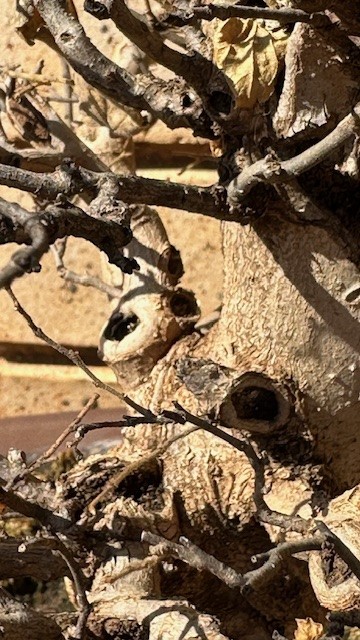
Kodamas live in old and large trees and are thought to be the “echo of the trees”, often heard in the forest as the rustling of the leaves or the creaking of the branches (Yuliani et al., 2021).
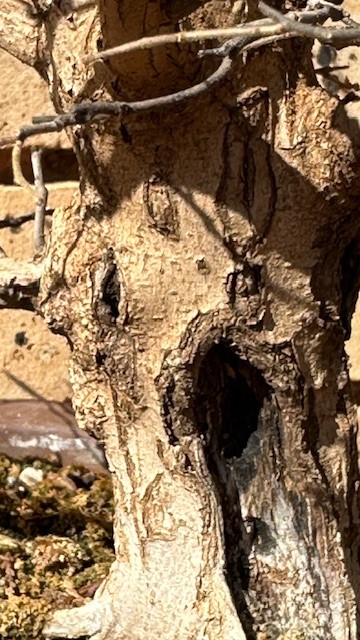
If you look carefully, you will see the eyes (or maybe just one) and mouth, sometimes even a nose. Kodamas may communicate with humans, but only those who show them respect and are prepared to listen. People who hurt trees can also incur the wrath of the tree spirits, leading to misfortune. Those who treat the forest with kindness and gratitude may receive blessings and protection (Reese & Myers, 2012; Yuliani et al., 2021).
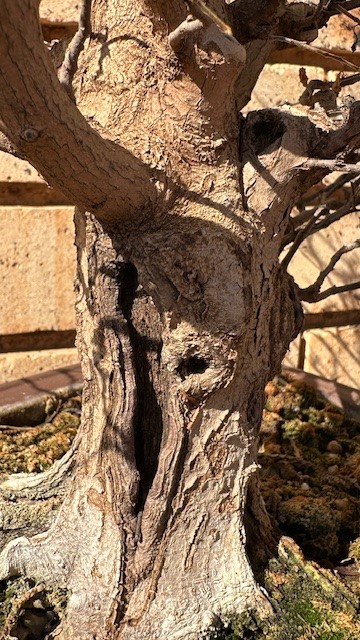
Kodamas can be seen in the natural scarring in trees, resembling humanoid faces full of expression, often majestic and other-worldly, forms part of the tree’s history and adds to its storytelling. Kodamas teach us about the importance of respect, gratitude, delicate balance between humanity and the natural world, offering a guiding light and reminding us of the beauty and mystery that lies in the heart of the forest!
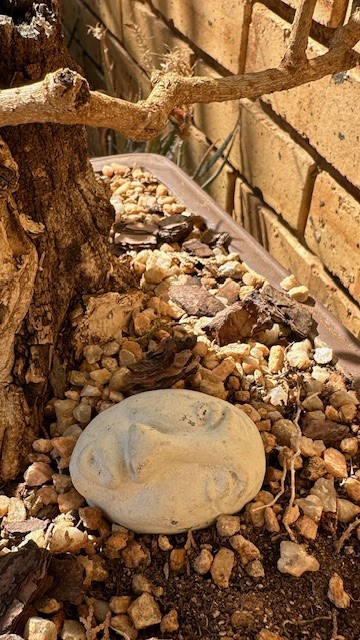
Next time you take a walk in the forest, and find a Kodama, don’t forget to leave an offering at the base of the tree!