
Do (and can) plants “talk” to each other? Plant mycorrhiza and root communication are two fascinating topics that have gained significant attention from scientists and plant enthusiasts alike and more so recently. Mycorrhiza (plant probiotics) refers to a symbiotic association between a fungus and the roots of a plant, whereas root communication involves the exchange of signals between plant roots that can affect their growth and development (Simard, 2016).

Mycorrhizal fungi are present in most soils, and they can colonize the roots of almost all plant species. The association between the fungus and the plant roots is mutually beneficial, as the fungus provides the plant with nutrients, such as phosphorus and nitrogen, while the plant provides the fungus with carbohydrates produced through photosynthesis (Brenner et al., 2006; Mancuso & Viola, 2013).
Mycorrhizal fungi form a vast network of hyphae (the white filament parts of fungi) that extend beyond the root system of the plant. These hyphae can explore the soil, and as a result, the fungus can access nutrients that would otherwise be unavailable to the plant. The presence of mycorrhizal fungi can significantly enhance the growth and productivity of plants, making them a valuable resource in agriculture.
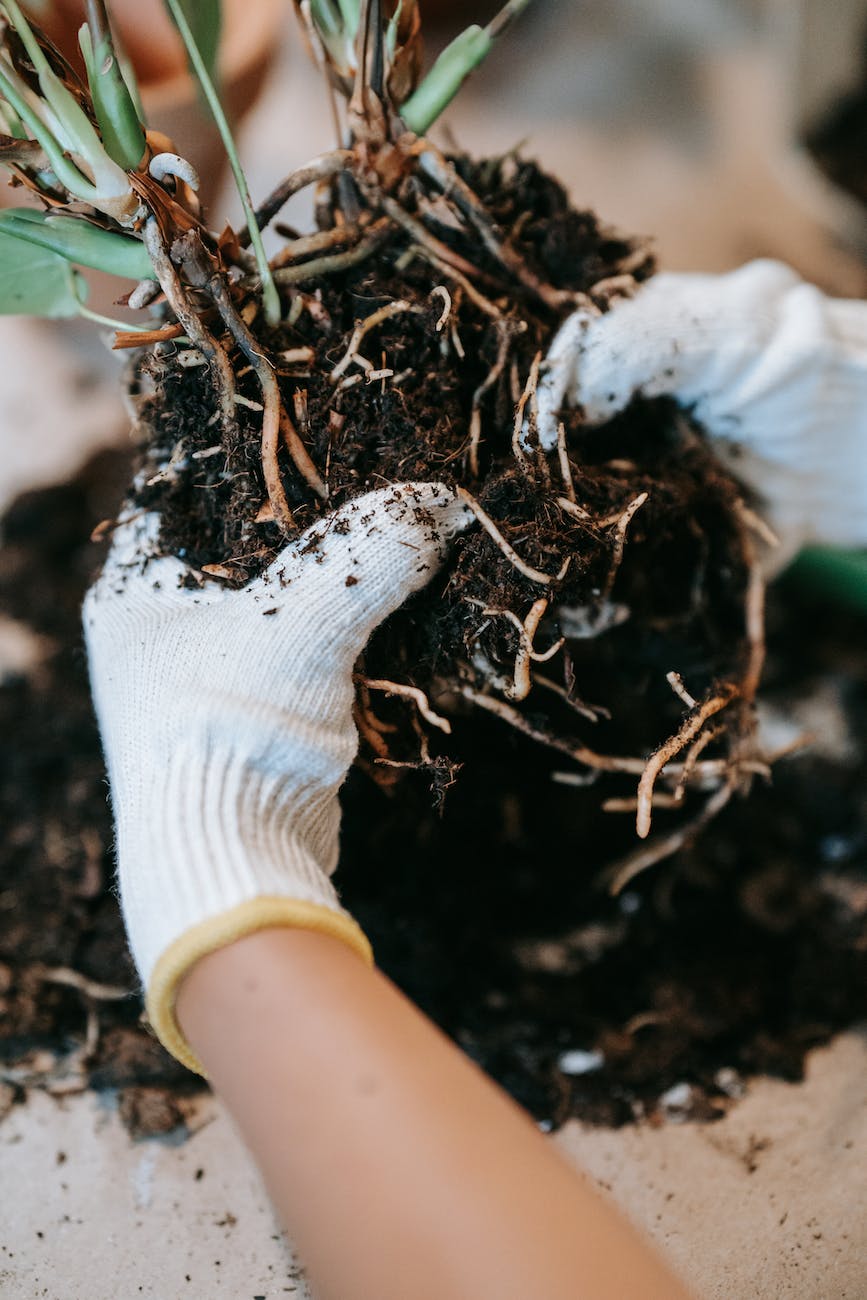
Root communication, on the other hand, involves the exchange of signals between roots of different plants or even different parts of the same plant. These signals can be chemical or electrical and can affect various processes, such as nutrient uptake, plant growth, and defense against pests and diseases, much like an electrical signal that travels along the membrane of a neuron or muscle cell in humans, called “action potential” (Mancuso & Viola, 2013).
Recent studies have shown that plants can detect and respond to signals from neighbouring plants through their roots. For example, when a plant is attacked by pests or pathogens, it can release chemical signals that alert neighbouring plants of the impending threat, allowing them to prepare their defences (Simard, 2016).

These volatile organic compounds (VOCs) can signal to the neighbouring trees to increase their defences against the impending threat. For example, the neighbouring trees may produce more defensive compounds, such as tannins, to make their leaves less palatable to herbivores. This phenomenon is known as plant communication or plant signalling and has been observed in various tree species, including pine, spruce, and birch. It is believed that these chemical signals allow trees to coordinate their responses to threats, improving their chances of survival (Simard, 2016).
Furthermore, recent research suggests that trees can distinguish between different types of VOCs released by their neighbouring trees, allowing them to respond more effectively to different types of threats. This ability to communicate and respond to environmental cues may play a critical role in the survival and growth of trees in their ecosystems.
Similarly, plants can communicate with each other to coordinate their growth and development, ensuring that resources are allocated efficiently (Novoplansky, 2019).
The mechanisms underlying root communication are not yet fully understood, but it is clear that the exchange of signals between plant roots can have a significant impact on plant growth and productivity. In particular, the ability of plants to respond to signals from neighbouring plants could be harnessed to develop more sustainable and efficient agricultural practices. How does this affect bonsai plants that are isolated in pots?
In conclusion, plant mycorrhiza and root communication are two fascinating topics that highlight the complex relationships that exist between plants and their environment. Understanding the mechanisms underlying these processes can provide valuable insights into how we can improve the productivity and sustainability of agriculture, while also promoting a greater appreciation for the remarkable abilities of plants.

 bonsaichology